Serval Facts
Serval (Leptailurus serval)

Serval
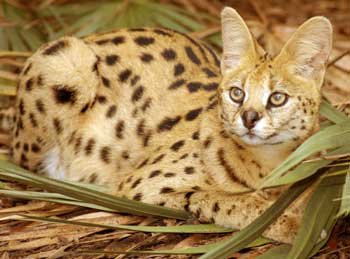
The Serval is a remarkable African wild cat, often celebrated for its extraordinary proportions and unmatched hunting prowess. Sometimes nicknamed the "cat of spare parts," this feline combines a delicate head and oversized ears with an elongated neck and the longest legs of any cat relative to its body size. These specialized features make it one of the most efficient hunters in the animal kingdom.
Quick Facts
Common Name: Serval
Scientific Name: Leptailurus serval
Kingdom: Animalia
Phylum: Chordata (Vertebrata)
Class: Mammalia
Order: Carnivora
Family: Felidae
IUCN Status: Least Concern
Population Trend: Stable
Habitat: Well-watered savannas and wetlands
Diet: Primarily rodents, birds, and frogs
Lifespan: Up to 20 years or more in sanctuary settings
Appearance
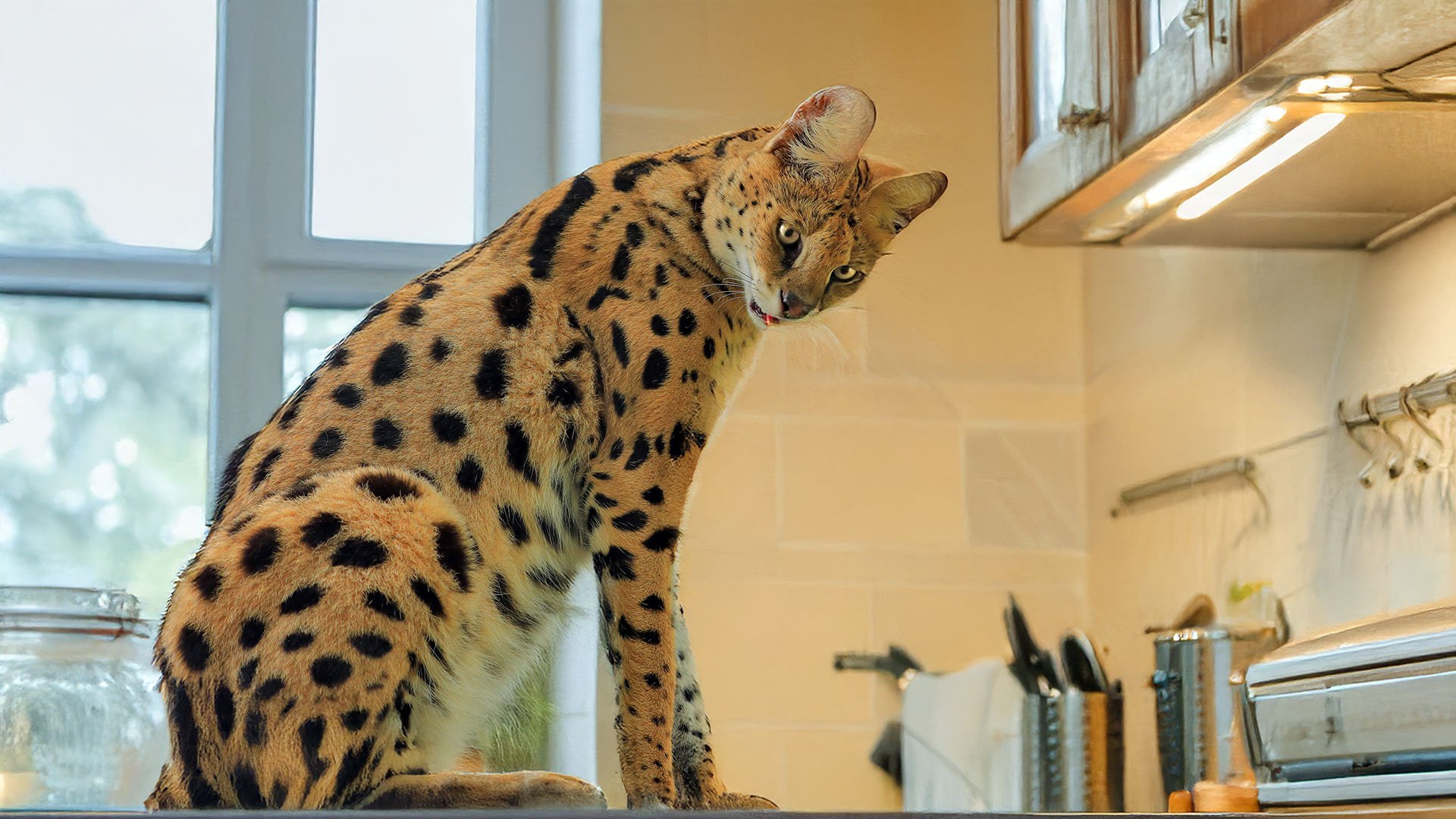
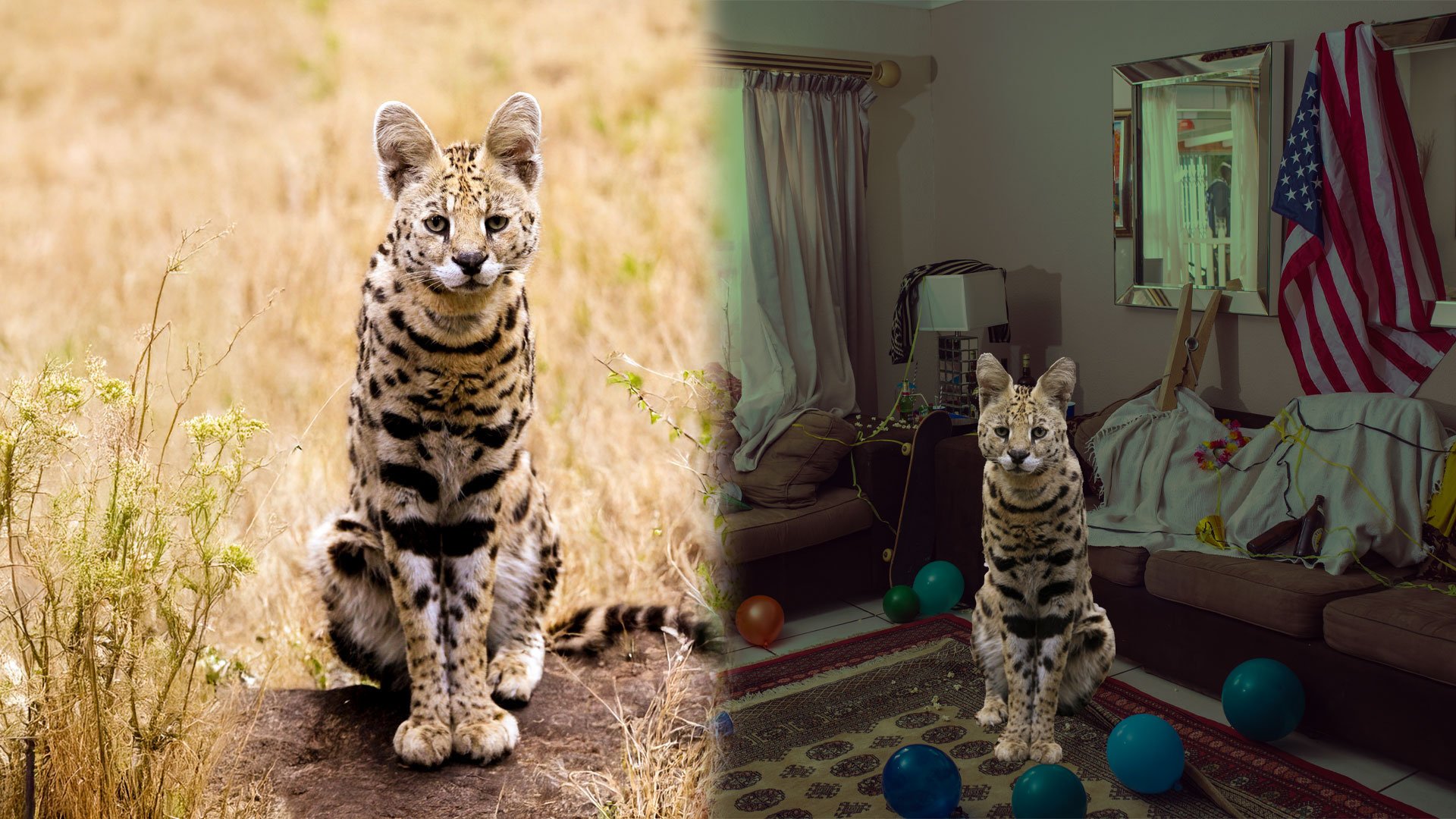
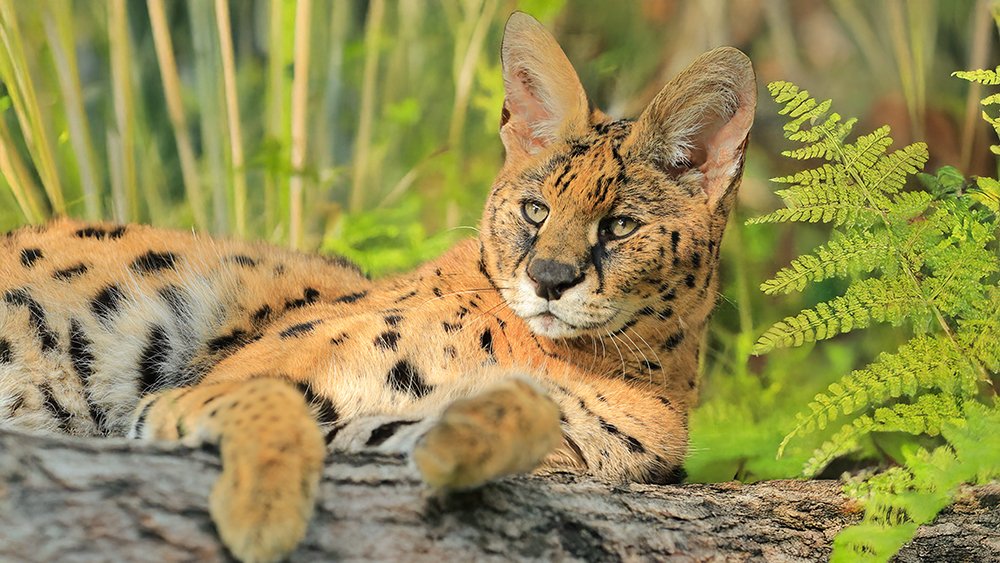
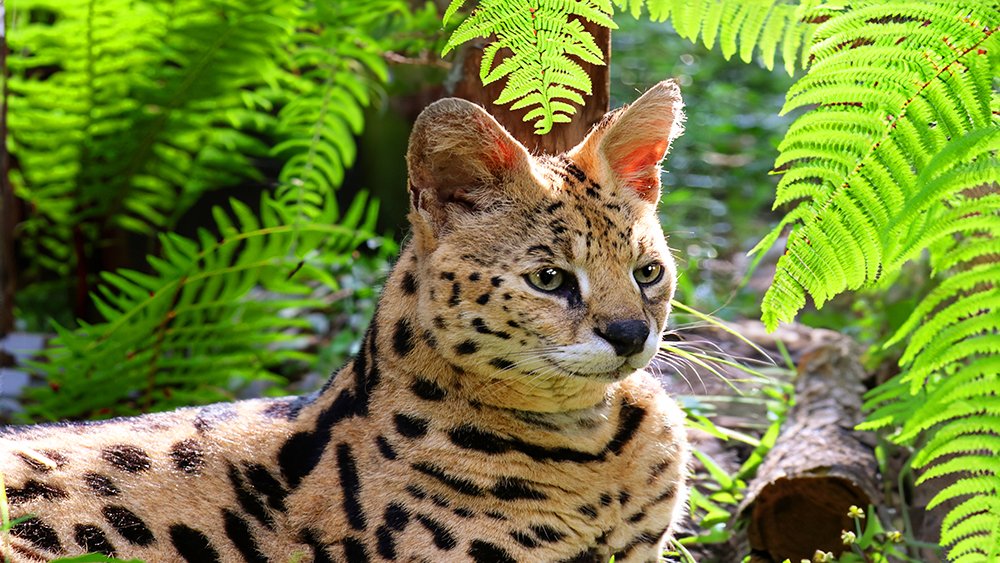
The Serval’s unique silhouette is designed for life in tall grass. Its exceptionally long legs—with hind legs longer than the front—allow it to see over vegetation and leap high into the air. Its coat is typically a warm tawny or pale yellow, adorned with black spots that often merge into stripes along the neck and back. A rare "servaline" morph exists, featuring a pattern of tiny, freckle-like spots once thought to belong to a separate species.
Perhaps its most striking feature is its ears. Set high on the head, these large, radar-like appendages are black on the back with a vivid white central spot. These ears allow the Serval to detect the faint rustle of rodents moving underground or through dense cover, enabling it to hunt by sound alone.
Habitat and Range

Servals are widely distributed across sub-Saharan Africa but are notably absent from true rainforests and arid deserts. They are "water-associated" cats, thriving in moist savannas, reed beds, and riparian environments near rivers or swamps. While they are most common in protected national parks, they have shown a surprising ability to tolerate agricultural areas, provided there is enough cover and a steady supply of prey.
In North Africa, the species is far more vulnerable. A tiny, isolated population remains in Morocco, where it is considered regionally Critically Endangered. While once extinct in Tunisia, the species has been reintroduced to the Feijda National Park using stock from East Africa. They are also capable of living at high altitudes, with records of individuals found as high as 3,800 meters on Mount Kilimanjaro.
Diet and Behavior
The Serval is a solitary and highly specialized predator. While many cats rely on stealthy ambushes, the Serval uses its incredible hearing to pinpoint prey. Once located, the cat performs a high, vertical "towering pounce," coming down on its victim with enough force to stun or kill it instantly. They are also known to "clap" their front paws together to snatch birds or insects right out of the air.
Their diet consists mainly of small mammals—particularly rodents—but they are opportunistic, feeding on birds, reptiles, fish, frogs, and insects. With a hunting success rate of roughly 50%, they are significantly more efficient than many of their larger cousins. Hear our chirps, purrs, hisses, snarls, calls, and growl sounds HERE
Reproduction
Female Servals have a gestation period of approximately 73 days, typically giving birth to a litter of two kittens, though litters can range from one to five. Kittens are born weighing about 9 ounces and open their eyes within 12 days. They begin experimenting with solid food at three weeks and are generally independent by six to eight months. However, they do not reach sexual maturity until 18 to 24 months, at which point they leave their mother’s range to establish their own territories.
Threats
The most significant threat to the Serval's future is the loss and degradation of wetland habitats. As marshes and reed beds are drained for agriculture or industry, the high-density rodent populations the Serval relies on disappear.

Other threats include:
Habitat Degradation: Annual burning of grasslands and overgrazing by livestock reduces available cover and prey.
The Pelt Trade: In West Africa, Servals are frequently hunted for their skins, which are sometimes sold as "young leopard" or "cheetah" pelts. These are used for local ceremonial and medicinal purposes.
Persecution: Though they rarely take livestock, Servals are sometimes killed by farmers to protect poultry or caught in indiscriminate traps set for other predators.
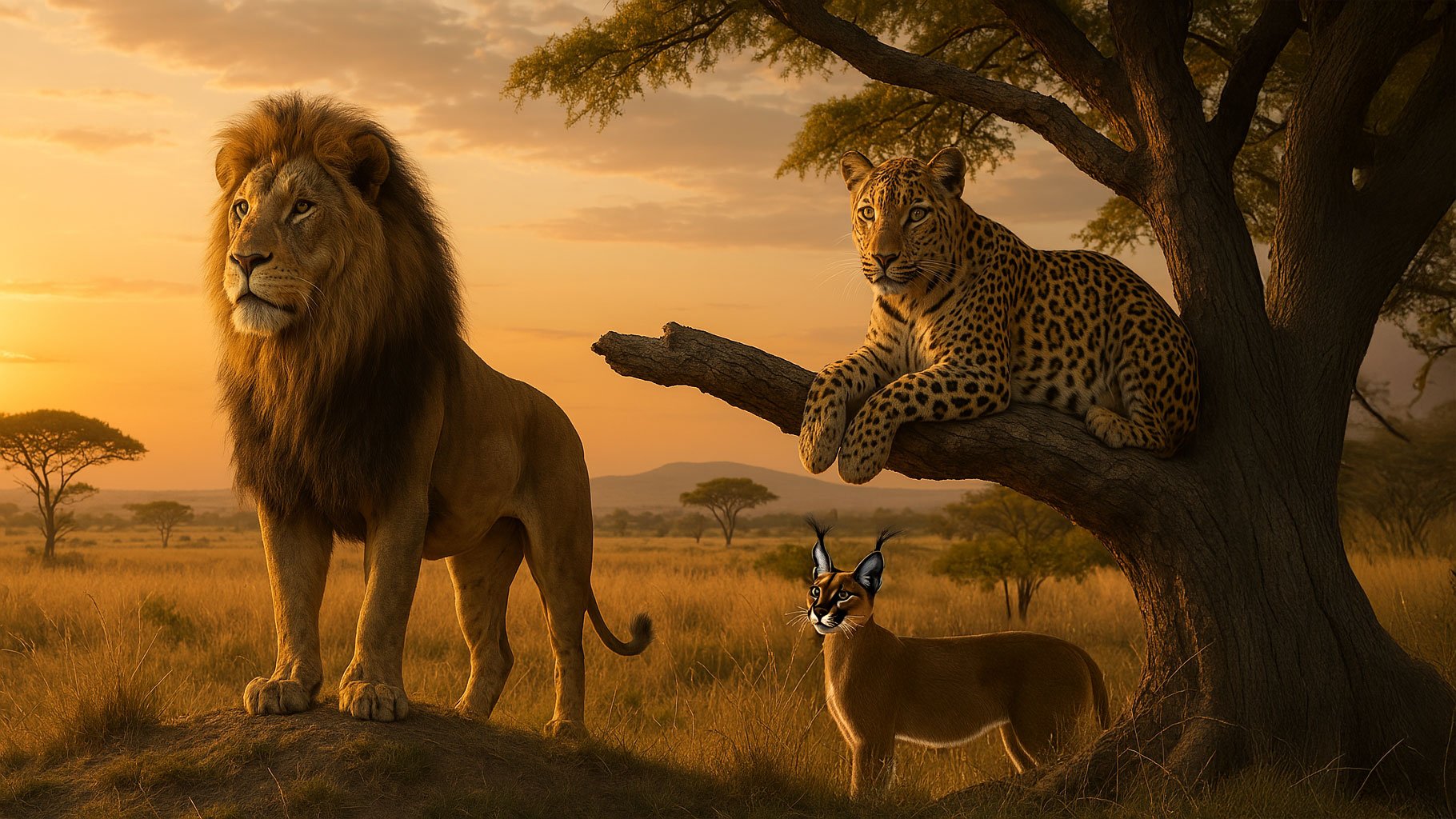
Natural Predators: On the savanna, they must avoid larger carnivores like leopards, hyenas, and lions.
Conservation Efforts
The Serval is currently listed on CITES Appendix II, which helps regulate international trade. It is also protected by national legislation in many countries across its range, with hunting prohibited in nations such as Kenya, Botswana, and Nigeria.
Big Cat Rescue has actively supported the protection of this species through conservation funding. One of the primary beneficiaries of this support is the Saharan Wildlife Fund (SWCCF), which works to protect the fragile ecosystems and biodiversity of the region. Because wetland health is the "umbrella" that protects the Serval, conservationists emphasize that saving these water sources is the most effective way to ensure the species continues to thrive in the wild.
See Conservation Work Funded By Big Cat Rescue here:
All conservation insitu work: https://bigcatrescue.org/insitu/